Table of Contents
ToggleElementary school strategies shape how children learn, grow, and interact with others during their most formative years. The right approaches can transform a struggling student into a confident learner. They can also turn a chaotic classroom into a productive space where curiosity thrives.
This article covers practical methods that teachers, parents, and administrators can use to support young learners. From building strong study habits to fostering emotional growth, these strategies address the full spectrum of elementary education. Each section offers actionable insights grounded in what actually works in real classrooms.
Key Takeaways
- Effective elementary school strategies build strong foundational habits through daily routines, active reading practice, and explicit organizational skills instruction.
- Hands-on learning activities and differentiated instruction engage students by making abstract concepts concrete and meeting each child’s unique learning style.
- Teaching emotional regulation and social skills is essential—children who manage their feelings and collaborate well perform better academically.
- Parent-teacher collaboration creates consistency between home and school, with regular communication and shared goal-setting producing faster student progress.
- Reading together for just 20 minutes each night remains one of the most powerful elementary school strategies for boosting literacy development.
Building Strong Foundational Learning Habits
Good habits start early. Elementary school strategies focused on foundational skills set students up for long-term academic success. These habits become automatic over time, freeing mental energy for higher-level thinking.
Daily Routines and Structure
Children thrive on predictability. A consistent daily schedule helps students know what to expect. This reduces anxiety and increases focus. Teachers should post visual schedules and review them each morning.
Routines for transitions matter too. When students move from reading to math, a clear signal, like a song or countdown, helps them shift gears. Without these cues, valuable instruction time gets lost.
Active Reading and Writing Practice
Reading fluency develops through daily practice. Students should read aloud for at least 15 minutes each day. Paired reading, where a stronger reader works with a developing one, builds confidence and comprehension.
Writing habits need similar attention. Journaling for 10 minutes each morning gets students comfortable with putting thoughts on paper. The goal isn’t perfection, it’s consistency. Students who write daily become better writers, period.
Organizational Skills
Elementary students need explicit instruction in organization. Color-coded folders for each subject help younger children keep track of materials. Teachers can spend five minutes at the end of each day helping students organize their backpacks.
These elementary school strategies for organization transfer to assignments, projects, and eventually middle school. A child who learns to organize early rarely struggles with it later.
Engaging Teaching Methods That Work
Engagement drives learning. When students are interested, they absorb information faster and retain it longer. The best elementary school strategies make learning feel less like work and more like discovery.
Hands-On Learning Activities
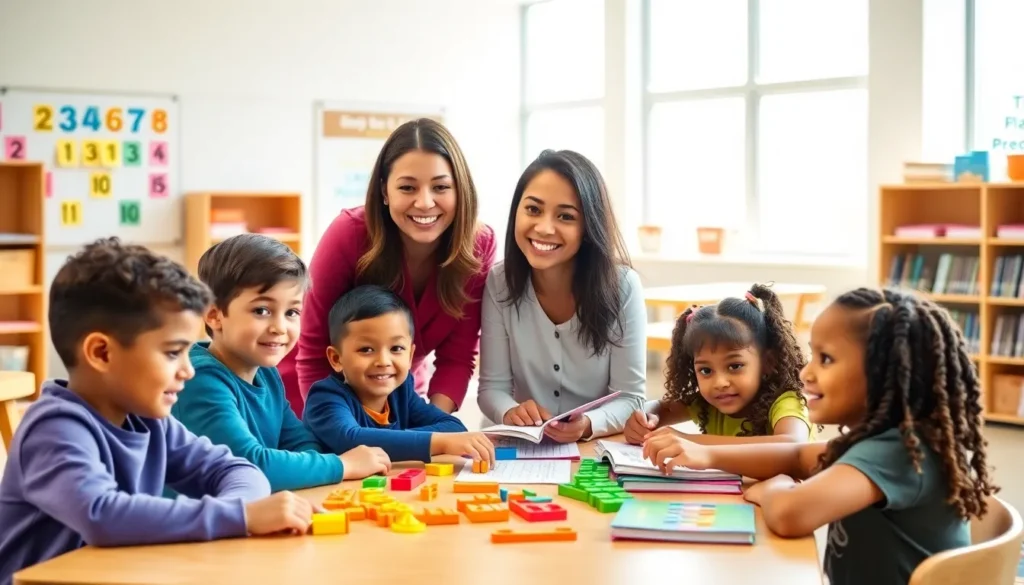
Abstract concepts become concrete through hands-on activities. Math manipulatives like blocks and counters help students visualize addition and subtraction. Science experiments let children test hypotheses and observe results.
One third-grade teacher uses cooking to teach fractions. Students measure ingredients, double recipes, and divide portions. They remember the lesson because they ate the results.
Differentiated Instruction
Not every child learns the same way. Differentiated instruction meets students where they are. This means offering multiple pathways to the same learning goal.
Some students grasp concepts through visual aids. Others need to hear explanations. Still others learn best by doing. Effective teachers provide options, a video, a reading, and an activity, so each child can engage in their preferred style.
Gamification and Technology
Games motivate students. Point systems, friendly competitions, and digital learning platforms tap into children’s natural love of play. Apps like Prodigy for math or Epic for reading make practice feel fun.
But technology should support instruction, not replace it. The most effective elementary school strategies blend digital tools with face-to-face teaching. Screen time works best in short bursts with clear learning objectives.
Social and Emotional Development Approaches
Academic skills matter, but so does emotional growth. Children who can manage their feelings and work well with others perform better in school. Elementary school strategies must address the whole child.
Teaching Emotional Regulation
Young children experience big emotions. They need tools to handle frustration, disappointment, and anger. Teachers can introduce breathing exercises, calm-down corners, and emotion vocabulary.
Naming feelings is the first step to managing them. When a child says “I’m frustrated” instead of throwing a tantrum, they’ve made real progress. Visual charts showing different emotions help students identify what they’re experiencing.
Building Positive Peer Relationships
Social skills require direct instruction. Teachers should model how to share, take turns, and resolve conflicts. Role-playing scenarios give students practice before real situations arise.
Cooperative learning groups also build social skills. When students work together on projects, they learn to listen, compromise, and contribute. These are skills that serve them throughout life.
Creating a Safe Classroom Environment
Students learn best when they feel safe. This means physical safety, of course, but also emotional safety. Classrooms where mistakes are treated as learning opportunities encourage risk-taking.
Elementary school strategies for safety include clear anti-bullying policies, regular check-ins, and visible teacher support. When children trust their environment, they’re willing to try harder things.
Parent and Teacher Collaboration Tips
Education works best as a partnership. When parents and teachers communicate effectively, students benefit. Elementary school strategies for collaboration create consistency between home and school.
Regular Communication Channels
Weekly newsletters keep parents informed. These don’t need to be long, a quick summary of what students learned and what’s coming up is enough. Digital tools like ClassDojo or Remind make updates easy to send.
Two-way communication matters too. Parents should feel welcome to reach out with questions or concerns. Teachers who respond promptly build trust.
Involving Parents in Learning
Assignments isn’t just for kids. When parents understand what their children are learning, they can reinforce concepts at home. Teachers can send home activity suggestions that don’t require special materials.
Reading together remains one of the most powerful elementary school strategies. Even 20 minutes of shared reading each night makes a measurable difference in literacy development.
Productive Parent-Teacher Conferences
Conferences shouldn’t be one-sided. Effective meetings include parent input about their child’s strengths, challenges, and interests. Teachers can prepare specific examples of student work to discuss.
Goal-setting together creates shared ownership. When parents and teachers agree on two or three focus areas, everyone works toward the same outcomes. This alignment produces faster progress.