Table of Contents
ToggleElementary school trends 2026 are reshaping how young students learn, grow, and thrive. Schools across the country are adopting new strategies to meet the needs of today’s learners. From smarter technology use to a stronger focus on emotional well-being, the changes ahead promise to make classrooms more engaging and supportive.
Parents, educators, and administrators want to know what’s coming. This article breaks down the key elementary school trends 2026 will bring. Each section covers a major shift in how schools operate, teach, and care for students. These insights will help readers prepare for the educational landscape of the near future.
Key Takeaways
- Elementary school trends 2026 prioritize AI-powered adaptive learning tools that adjust to each student’s pace and skill level.
- Social-emotional learning (SEL) is becoming a daily classroom priority, helping students manage emotions and build stronger relationships.
- Flexible learning spaces—including outdoor classrooms and alternative seating—are replacing traditional desk-and-chalkboard setups.
- Personalized, competency-based education allows students to advance when they master skills rather than following a fixed calendar.
- Schools are expanding mental health support by hiring more counselors and introducing mindfulness programs to reduce student stress.
- Wellness initiatives addressing nutrition, physical activity, and mental health ensure children arrive ready to learn.
Technology Integration in the Classroom
Technology will play a bigger role in elementary schools during 2026. Teachers are moving beyond basic computer use to incorporate AI-powered learning tools, interactive apps, and digital collaboration platforms.
One major shift involves adaptive learning software. These programs adjust lesson difficulty based on each student’s performance. A child who struggles with fractions gets extra practice. A student who masters a concept quickly moves on to new material. This approach keeps learners engaged and reduces frustration.
Coding and digital literacy programs are also expanding. Many elementary school trends 2026 highlight coding as a core skill, not just an elective. Schools are introducing block-based coding tools like Scratch to students as young as kindergarten. These programs teach logic, problem-solving, and creativity.
But, schools are also becoming smarter about screen time. Educators recognize that technology works best when balanced with hands-on activities. The goal isn’t more screens, it’s better use of screens. Expect to see blended learning models where digital tools support, rather than replace, teacher instruction and physical activities.
Social-Emotional Learning Takes Center Stage
Social-emotional learning (SEL) is becoming a priority in elementary education. Schools are dedicating time and resources to teach students how to manage emotions, build relationships, and make responsible decisions.
Why the focus? Research shows that students with strong social-emotional skills perform better academically. They also have fewer behavioral issues and healthier peer relationships. Elementary school trends 2026 reflect this evidence.
Many schools are adding dedicated SEL time to their daily schedules. Students participate in morning meetings, group discussions, and activities that build empathy and self-awareness. Some programs use role-playing to help children practice conflict resolution. Others incorporate journaling or mindfulness exercises.
Teacher training is another key component. Educators are learning how to integrate SEL principles into everyday instruction. A math lesson might include a discussion about persistence. A reading activity could explore how characters handle difficult emotions. This approach makes SEL a natural part of the school day rather than an add-on.
Parent involvement matters too. Schools are sharing SEL strategies with families so children receive consistent messages at home and in the classroom.
Flexible Learning Spaces and Environments
The traditional classroom setup, rows of desks facing a chalkboard, is fading. Elementary school trends 2026 include a major rethinking of physical learning spaces.
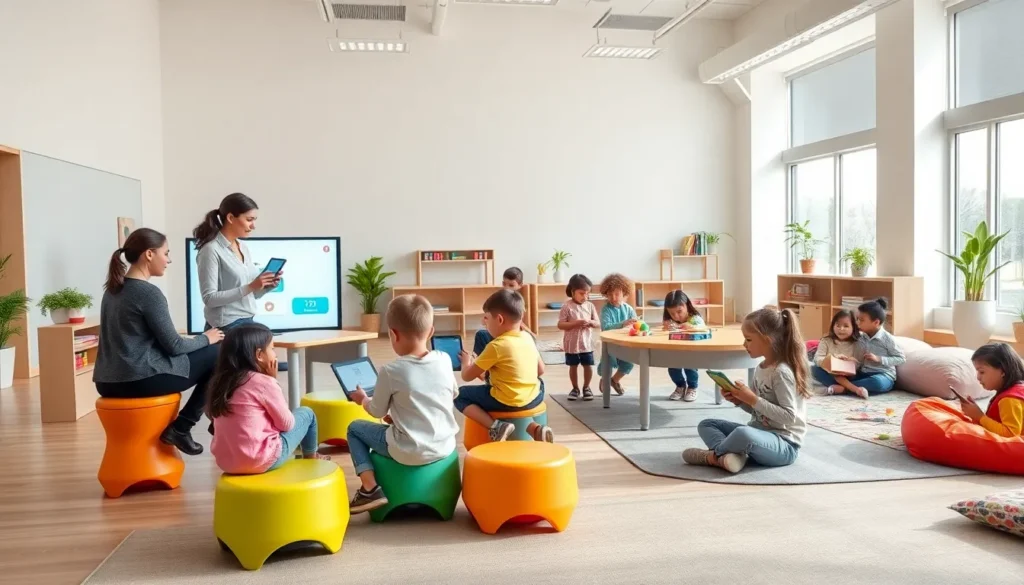
Flexible seating is one popular change. Students choose where and how they sit. Options might include standing desks, wobble stools, bean bags, or floor cushions. This approach recognizes that children learn differently. Some focus better while moving slightly. Others prefer quiet corners.
Schools are also creating multi-purpose spaces. A single room might serve as a library, collaboration hub, and quiet reading zone throughout the day. Movable furniture and partitions make these transformations possible.
Outdoor classrooms are gaining ground too. Nature-based learning has proven benefits for attention, creativity, and physical health. Schools are designing gardens, outdoor seating areas, and shaded learning spaces. Science lessons happen among plants. Art classes draw inspiration from the natural world.
These changes reflect a deeper shift in thinking. Learning doesn’t happen only at a desk. It happens when students feel comfortable, engaged, and free to move. The physical environment directly affects how well children absorb information.
Personalized and Competency-Based Education
One-size-fits-all instruction is losing favor. Elementary school trends 2026 emphasize personalized learning paths and competency-based progression.
Personalized learning means teachers design instruction around individual student needs, interests, and pace. Technology helps here. Learning management systems track student progress and suggest next steps. Teachers use this data to group students, assign targeted practice, and provide feedback.
Competency-based education takes this further. Students advance when they master a skill, not when a calendar says it’s time to move on. A third-grader who excels at reading might work at a fourth-grade level in that subject while continuing grade-level math. This flexibility prevents boredom for advanced learners and gives struggling students the time they need.
Assessment looks different in this model. Traditional letter grades give way to detailed progress reports. Parents see exactly which skills their child has mastered and which need more work. This transparency helps families support learning at home.
Critics worry about logistics and equity. How do schools manage so many individual paths? What about students without home technology access? These are real challenges. But the trend toward personalized, competency-based learning continues to grow because the benefits for student engagement and achievement are significant.
Wellness and Mental Health Initiatives
Student wellness extends beyond academics. Elementary school trends 2026 include expanded mental health support, physical wellness programs, and a focus on the whole child.
Schools are hiring more counselors and social workers. Many districts that previously had one counselor for hundreds of students are increasing staff ratios. These professionals provide individual support, run small group sessions, and train teachers to spot warning signs of anxiety, depression, or trauma.
Mindfulness programs are appearing in more elementary schools. Short breathing exercises, guided relaxation, and simple meditation techniques help children manage stress. Teachers report that these practices improve focus and reduce classroom disruptions.
Physical activity is getting a boost too. Some schools are adding movement breaks throughout the day. Others are redesigning recess to include more structured play options. Physical education classes are shifting focus from competitive sports to lifelong fitness habits.
Nutrition matters as well. Schools are improving cafeteria menus and teaching students about healthy eating. Gardens and cooking programs connect food education to hands-on experience.
This holistic approach recognizes a simple truth: children can’t learn effectively if they’re anxious, hungry, or exhausted. Wellness initiatives address these barriers so students arrive ready to learn.